How does William handle urgent highway accident calls for towing in El Paso?
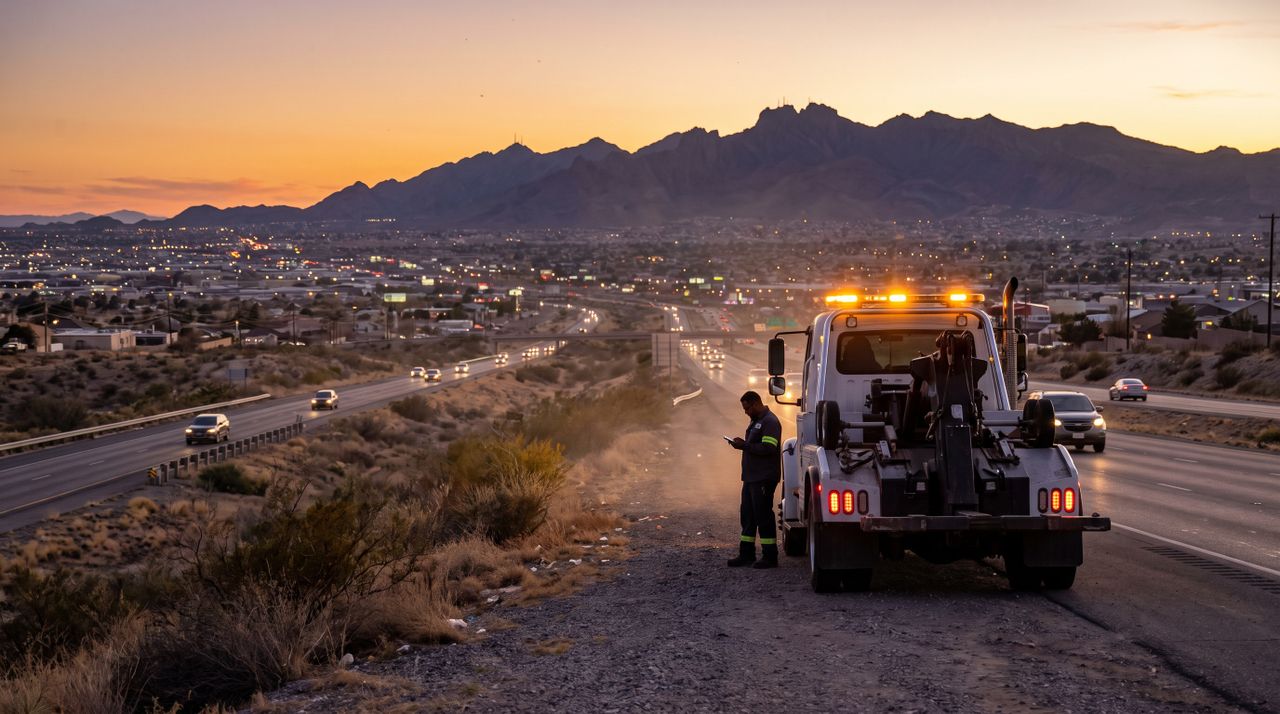
William answers immediately, asks a short checklist for exact location, lanes blocked, vehicle type, and basic condition, confirms your capability, and routes to on-duty drivers. The system timestamps and sends a short call summary so you can dispatch faster than competitors on I-10, US-54, Transmountain, and other El Paso routes.
Can William tell if I need a heavy-duty tow truck or flatbed before dispatch?
Yes. William uses targeted intake questions about vehicle weight, tow angle, and damage. Those answers trigger routing rules so heavy trucks or flatbeds are prioritized when needed, cutting wrong-rig sends and wasted fuel on long El Paso and West Texas runs.
Will William understand El Paso streets and local towing locations?
William is tuned for local place names like Transmountain Road, Fort Bliss, Westside, Eastside, Lower Valley, and nearby towns such as Horizon City and Socorro. During setup, we use your recent calls to train phrasing and landmarks so William captures cross streets and locations in a way that works for your dispatch.
What happens to after-hours towing calls in El Paso if no one can pick up?
After-hours and overflow calls go to William instead of voicemail. The system captures and qualifies the job, follows your rules for urgent vs scheduled tows, and can confirm an ETA window to the caller. You or your driver get a time-stamped summary so nights, weekends, and holiday spikes do not turn into lost jobs.
How can I test William as an AI answering service for my El Paso towing company?
We run a short pilot using your existing phone flow and website. You hear how William answers real towing calls, see transcripts and summaries, and compare captured high-intent calls, wrong-rig reductions, and time-to-dispatch before and after. For most tow companies, one or two recovered accident or long-distance jobs covers the cost.