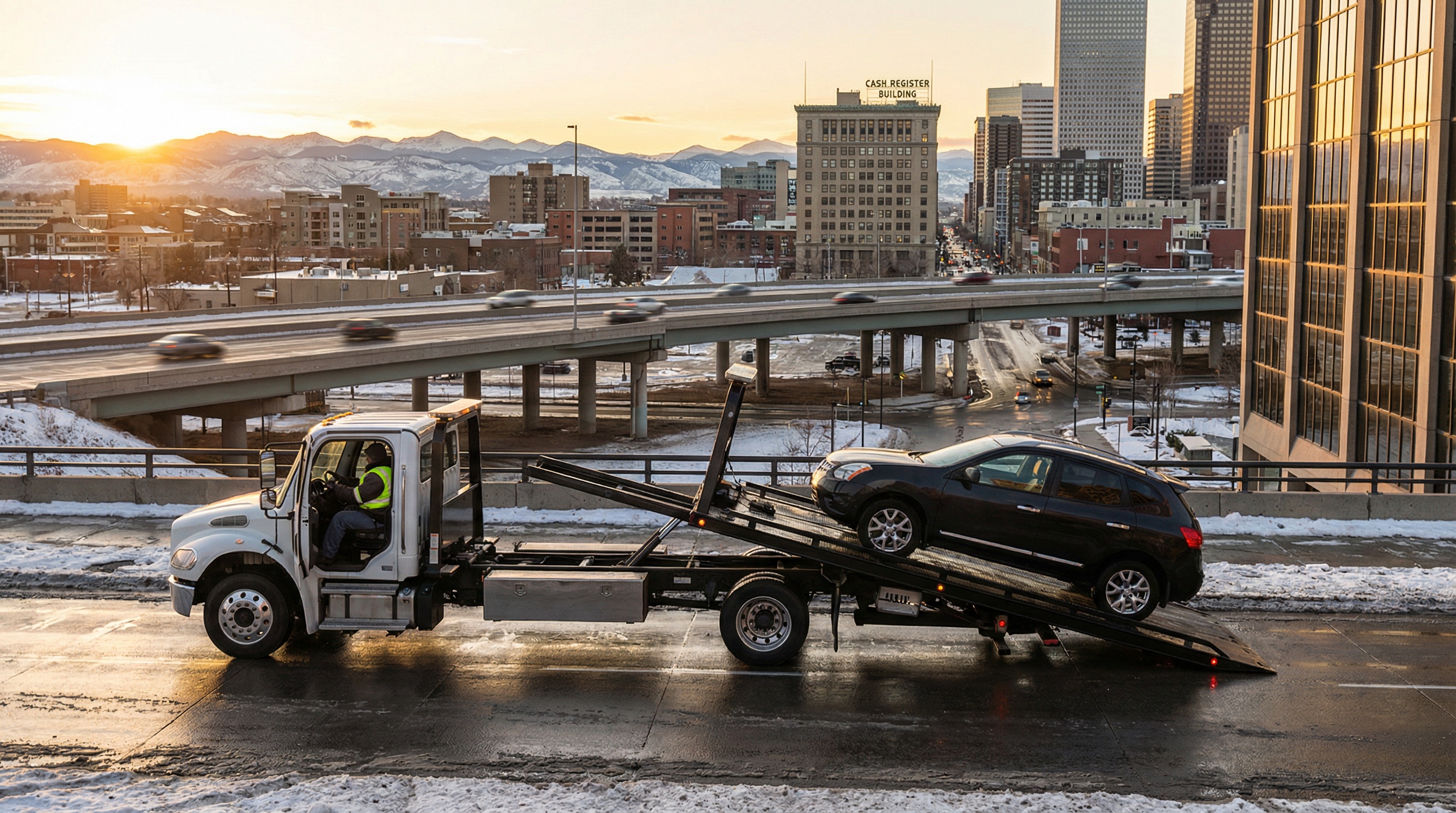
How does William AI answering work for towing companies in Denver?
William sits on your towing phone line and answers like a first-level dispatcher. He asks for location, vehicle, problem, destination, and timing, then either books the job, routes the call to your on-call person, or logs it with a full summary for dispatch. Every call is recorded, transcribed, and organized so your Denver team can move trucks instead of chasing details.
Can William handle after-hours and storm calls for my Denver tow trucks?
Yes. You can send all late-night, weekend, and overflow calls to William or only use him when lines are busy. When winter storms or rush hour pile up spin-outs across Denver, he keeps answering, qualifying, and logging jobs while your drivers and dispatch focus on live work.
Will William understand Denver locations like I-25 exits, Colfax, or DIA?
William is set up using your real service area and common Denver landmarks and corridors. Callers can describe spots near interchanges, garages downtown, or near the airport, and William will confirm location clearly before the job is sent to your team. That cuts down on wrong turns and wasted miles for your trucks.
Can William qualify and route towing leads before they reach my dispatcher?
Yes. William separates true emergency tows, accidents, and property manager calls from low-value or out-of-area requests. He tags each call with job type and urgency, then follows your rules to route high-priority Denver jobs to the right person and leave clear records for everything else.
How can I test William on my own Denver towing calls before I commit?
You can run a quick demo using your website and a test number to hear William handle a real towing-style call. We configure basic scripts for Denver roads, service area, and job types, then you listen to how he answers, what he asks, and how the summary looks before deciding to put him on your live line.