How does William's AI answering work for septic companies in Los Angeles?
William sits on your main line like a live receptionist for your septic business. When someone calls about pumping, a backup, or an inspection, he answers, asks septic-specific questions, grabs address and access details, and sends you a clean summary with transcript and recording. You control the rules for how emergencies, real estate, and commercial calls are tagged and where they get routed.
Can William handle after-hours and weekend septic emergencies around Los Angeles?
Yes. William runs 24/7 for callers anywhere in Los Angeles County. For late-night or weekend emergencies, he confirms the problem, location, urgency, access issues, and any safety concerns, then follows your rules for setting expectations and escalation. You wake up to organized emergency tickets instead of a pile of voicemails.
Will an AI receptionist sound local and reassuring for stressed septic callers in Los Angeles?
William is tuned to sound calm, clear, and human, with natural back-and-forth conversation instead of robotic phone trees. We can add Los Angeles-specific context like hillsides, canyons, HOAs, and common neighborhood names, plus your own wording, so callers feel like they reached a real local septic operation that understands their situation.
Can William qualify and route septic leads before they reach my team?
Yes. William uses structured questions to separate true emergencies from routine maintenance and price shoppers. He can tag calls as high-value repairs, standard pumping, inspections for escrow, or commercial jobs, then route them to different numbers, inboxes, or workflows. Your crew spends time on the right calls instead of sorting everything themselves.
How do I review what William captured on my Los Angeles septic calls?
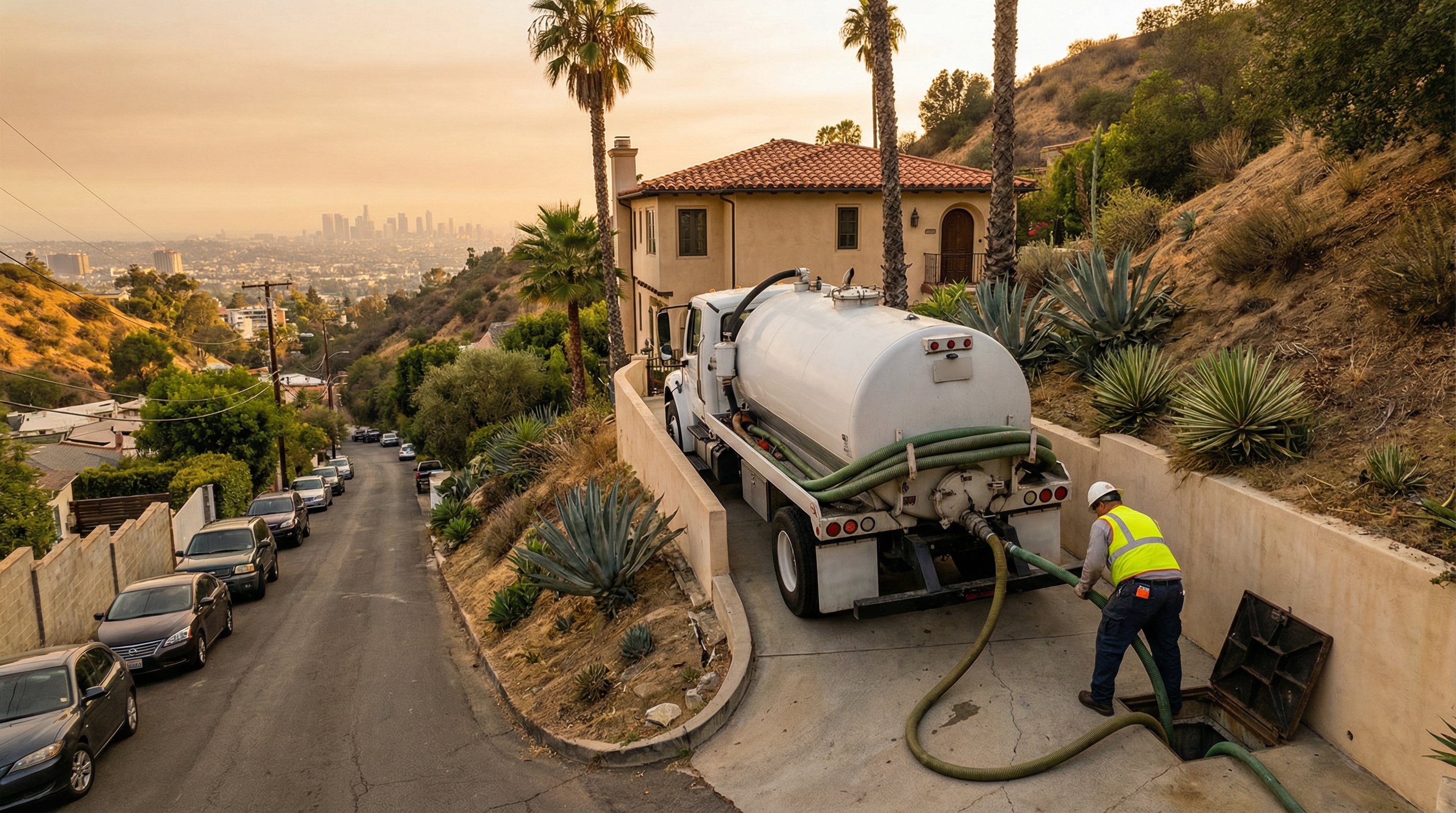
Every call includes a short written summary, full transcript, and audio recording. You will see caller details, neighborhood, urgency level, system notes, and any access constraints such as gate codes, narrow streets, steep driveways, or parking issues before you ever dial back or send a truck. Most owners skim the summary in seconds and make faster, clearer dispatch decisions because nothing is buried in voicemails.