How does William AI answering work for plumbers in Chicago, IL?
William sits on your main plumbing line and picks up when you cannot, day, night, or during a storm surge. It holds a real conversation, asks your intake questions, and books or escalates jobs based on rules you set. Every call is logged with recordings, transcripts, and summaries so you know exactly what came in from across Chicago and the nearby suburbs.
Can William handle after-hours and weekend plumbing emergencies in Chicago?
Yes. William is built to catch those 10 p.m. basement floods and 6 a.m. no-hot-water calls that usually hit voicemail. It separates true emergencies from routine work, gets urgent jobs to the on-call contact, and schedules non-urgent issues into the next available slots you define.
Will William actually qualify Chicago plumbing leads before my team gets involved?
That is the point. William collects address, unit number, neighborhood, issue type, and key safety details like active leaks or sewage. It tags high-intent calls like sump pump failures during heavy rain or sewage backups and routes them differently from basic drip or quote requests so your Chicago trucks focus on the right work.
Does William fit how Chicago plumbers work with multi-unit buildings and property managers?
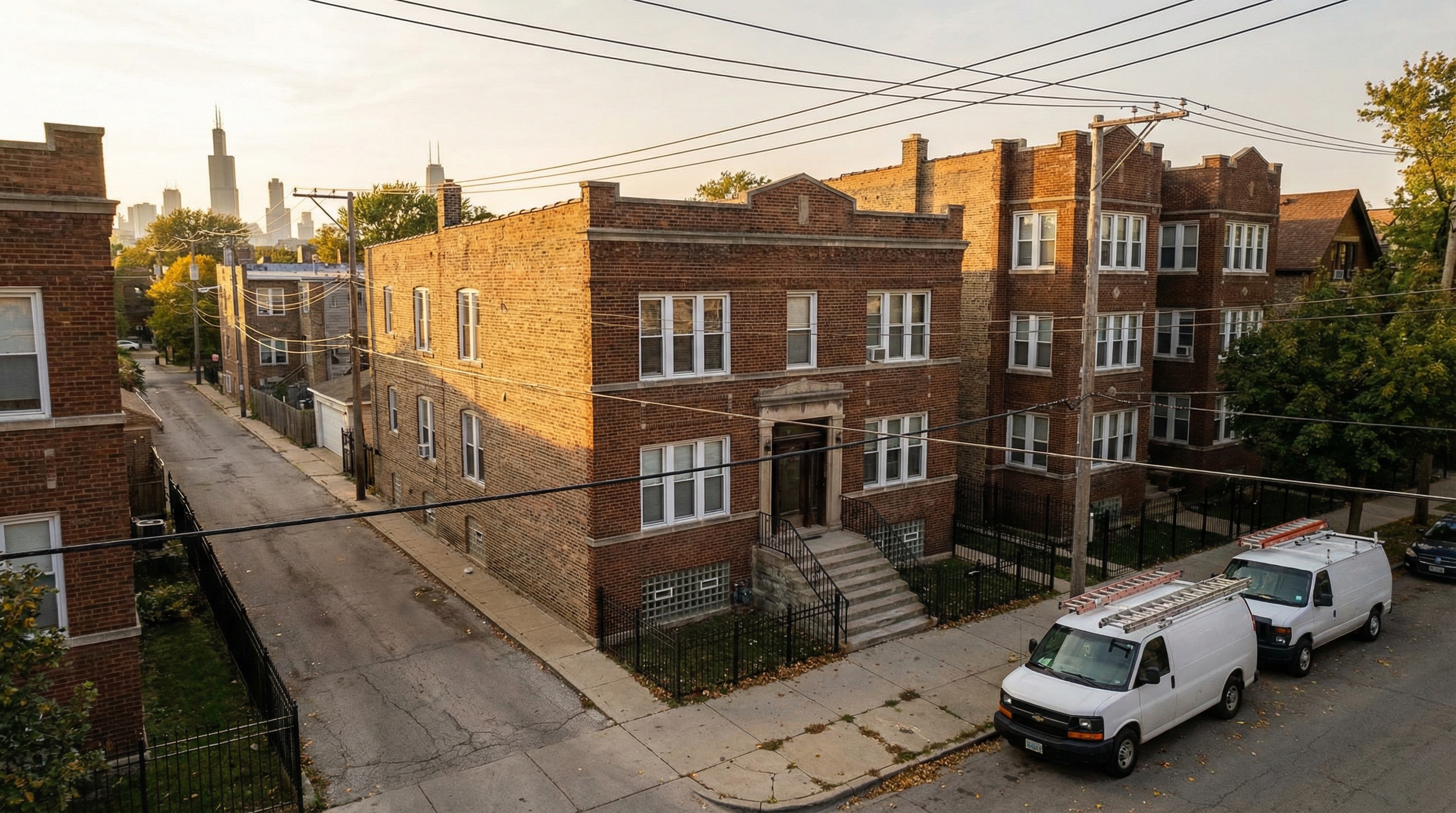
Yes. With a large share of Chicago housing in multi-unit buildings, William is built to handle unit-by-unit info, gate codes, and repeat issues for the same property. It can recognize known buildings, capture which unit is affected, and keep a clear history so property managers and building engineers feel you are on top of their calls.
How can I test William on my own Chicago plumbing calls before committing?
You can point a line or call-forwarding to William and hear it handle real Chicago plumbing calls using your script. We set up your service areas, job types, and escalation rules, then you review recordings and summaries to see how many extra jobs you book and how clean the intake looks before you decide.